

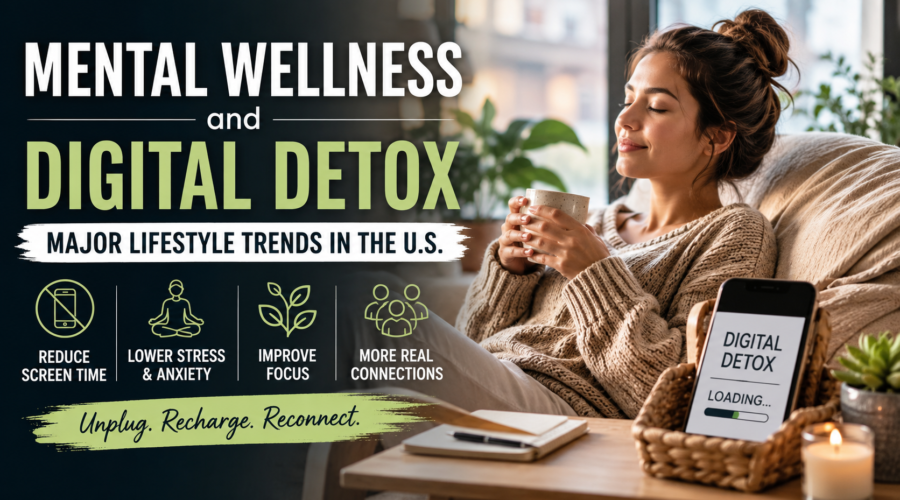
Americans are increasingly rethinking their relationship with smartphones, social media and constant digital connectivity. What was once considered simply a technology habit is becoming part of a broader conversation about mental wellness, attention, stress and quality of life.
The growing interest in digital detox does not necessarily mean people want to abandon technology completely. Instead, the trend is increasingly about using technology more intentionally—setting boundaries, reducing unnecessary notifications, spending less time scrolling and making more room for offline activities.
Recent reporting has highlighted a growing cultural backlash against endless scrolling and constant smartphone use, with people experimenting with more intentional ways to reclaim their attention.
At the same time, the American Psychological Association’s 2025 Stress in America report found that misinformation, artificial intelligence and societal division are significant sources of stress for many U.S. adults.
Together, these developments are helping push mental wellness and digital detox into the mainstream lifestyle conversation.
Why Digital Detox Is Becoming More Popular
For many people, checking a phone has become an automatic part of everyday life.
A notification appears. A social media app opens. A quick scroll becomes 20 or 30 minutes. Then another notification brings attention back to the screen.
This constant connection can make it difficult to create clear boundaries between work, entertainment, family time and personal time.
The American Psychological Association has previously highlighted the connection between heavy technology engagement and stress. Its research has also emphasized practical steps such as managing notifications, protecting sleep and creating healthier technology habits.
The result is a shift from asking “How much technology do I use?” to a more useful question:
“Is the way I use technology improving my life or controlling my attention?”
Mental Wellness Is Becoming a Lifestyle Priority
Mental wellness is increasingly being discussed as part of everyday health rather than something people think about only during a crisis.
For many Americans, that can mean:
- Getting better sleep
- Spending more time outdoors
- Exercising regularly
- Maintaining relationships
- Practicing mindfulness
- Taking breaks from social media
- Reducing unnecessary screen time
- Creating boundaries between work and personal life
- Making time for hobbies and offline activities
The APA’s 2025 report described a broader “crisis of connection,” pointing to loneliness and emotional disconnection as important parts of the current U.S. stress picture.
That makes the digital detox conversation bigger than simply putting a smartphone away.
It is increasingly about reconnecting with real-world experiences and people.
The Rise of the “Intentional Technology” Lifestyle
A complete digital detox may not be realistic for most Americans.
Phones are used for work, banking, navigation, communication, shopping, education and entertainment. Social platforms can also help people stay connected.
Instead of abandoning technology, a growing approach is intentional technology use.
That can include:
1. Turning Off Unnecessary Notifications
Not every notification requires an immediate response.
Reducing alerts can create fewer interruptions throughout the day. The APA has specifically recommended reviewing notifications and keeping only those that are genuinely useful.
2. Creating Phone-Free Periods
Some people are choosing specific periods when phones stay away—for example:
- During meals
- Before bedtime
- During workouts
- While spending time with family
- During outdoor activities
The goal isn’t punishment. It is creating uninterrupted time.
3. Replacing Scrolling With Offline Activities
A digital detox becomes easier when people replace screen habits with something enjoyable.
That could mean reading a physical book, walking, cooking, exercising, gardening, meeting friends or simply spending time outside.
Recent reporting on the “scrolling backlash” has similarly focused on replacing automatic phone use with meaningful offline experiences.
Social Media Is Still a Major Part of American Life
Digital detox does not mean social media is disappearing.
Pew Research Center’s 2025 research found that YouTube and Facebook remained among the most widely used platforms among U.S. adults, while Instagram, TikTok, WhatsApp and Reddit also had substantial audiences.
That creates an interesting contradiction.
Americans are heavily connected to digital platforms while simultaneously becoming more conscious of the potential costs of constant connectivity.
The emerging trend isn’t necessarily “quit social media.”
It is increasingly:
“Use social media on your terms.”
Doomscrolling and Information Overload
Another reason digital boundaries are gaining attention is the sheer volume of information people encounter every day.
News alerts, social media posts, videos, political discussions and online arguments can create an endless stream of emotionally stimulating content.
The APA has previously discussed “media overload” and news-related stress, noting that continuous exposure to negative headlines and online commentary can contribute to psychological strain.
This is particularly relevant in an environment where people can receive breaking news almost instantly.
A healthier digital routine may therefore involve not only reducing screen time but also being selective about what information deserves attention.
How Americans Can Start a Simple Digital Detox
A digital detox doesn’t have to mean spending an entire weekend without a phone.
A smaller approach can be more realistic.
Try a 7-Day Digital Reset
Day 1: Turn off unnecessary notifications.
Day 2: Keep your phone away during meals.
Day 3: Avoid social media for the first 30 minutes after waking up.
Day 4: Take a walk without constantly checking your phone.
Day 5: Create a screen-free period before bedtime.
Day 6: Replace one scrolling session with an offline hobby.
Day 7: Review which changes actually made you feel more focused or relaxed.
The objective isn’t to eliminate technology.
It’s to discover which digital habits are useful and which ones are simply automatic.
Digital Detox and Better Sleep
Sleep is another major reason people are becoming more conscious of nighttime technology use.
Using a smartphone late at night can keep people mentally engaged when they should be winding down. The APA recommends creating healthier nighttime technology habits and reducing late-night device use.
A simple evening routine could include:
- Putting the phone away before bed
- Using a traditional alarm clock
- Reading instead of scrolling
- Keeping the bedroom relatively screen-free
- Avoiding emotionally stimulating content late at night
Better digital boundaries can become part of a broader healthy sleep routine.
Why the Trend May Continue
The digital detox movement is unlikely to mean Americans will stop using technology.
Instead, the future may be about digital balance.
Technology will remain central to work, communication and entertainment. At the same time, consumers are becoming more interested in protecting attention, privacy, sleep, relationships and personal time.
The APA has also noted that technology can provide important benefits, including flexibility, productivity and access to mental-health support.
That means the conversation isn’t simply technology versus wellness.
The bigger question is how technology can fit into a healthier lifestyle.
The Bottom Line
Mental wellness and digital detox are becoming important lifestyle themes in the United States because people are reconsidering what constant connectivity means for their everyday lives.
From reducing notifications to taking breaks from social media, Americans are experimenting with ways to regain control over their attention.
The goal isn’t necessarily to live without technology.
It’s to make sure technology serves your life instead of constantly competing for your attention.
As digital platforms continue to evolve, the idea of occasionally unplugging—and intentionally reconnecting with the offline world—could become an increasingly normal part of American wellness culture.
FAQs
What is a digital detox?
A digital detox is a planned reduction or break from digital devices, apps or online platforms. It can range from short daily breaks to longer periods away from social media.
Why is digital detox becoming popular in the U.S.?
Growing concerns about screen habits, constant notifications, information overload and attention are contributing to greater interest in healthier technology boundaries.
Does a digital detox mean quitting social media?
No. A digital detox can simply involve reducing unnecessary use, setting time limits or creating specific periods without social media.
How can I start a digital detox?
Start small. Turn off unnecessary notifications, establish phone-free meals, reduce nighttime scrolling and replace some screen time with offline activities.
Can reducing screen time improve mental wellness?
Creating healthier technology boundaries may help reduce interruptions and create more opportunities for sleep, exercise, social connection and offline activities. However, digital detox should not be considered a treatment for a mental-health condition.
What is intentional technology use?
Intentional technology use means consciously deciding when, why and how you use digital devices rather than automatically checking them whenever a notification or impulse appears.