
Published: September 2, 2026
Category: USA Trending / World News
Reading Time: 7–9 minutes
The U.S.–Iran conflict has entered another dangerous phase after the United States launched a new wave of strikes against Iranian targets, followed by Iranian missile and drone attacks against U.S.-linked positions in the region.
The latest escalation is raising fresh concerns for Americans about oil prices, gasoline costs, financial markets, inflation, travel and the broader U.S. economy.
The situation is developing rapidly, and conditions could change quickly as Washington and Tehran respond to each other.
What Happened Between the U.S. and Iran?
The latest escalation began with a new U.S. military operation against Iranian targets around the strategically important Strait of Hormuz.
Reuters reported that U.S. forces launched strikes against Iranian targets after Washington said Iranian forces had attempted attacks involving commercial shipping in the Strait of Hormuz and American personnel in the region.
Iran responded with missile and drone attacks against locations associated with U.S. forces in the region. Reuters reported that the attacks included targets in Jordan and Bahrain, while regional defenses intercepted many of the incoming projectiles.
President Donald Trump has defended the latest U.S. strikes and warned that further Iranian retaliation could result in additional military action.
The developments represent one of the most serious escalations in the conflict in recent weeks.
Why Is the Strait of Hormuz So Important?
One of the biggest concerns surrounding the conflict is the Strait of Hormuz, a narrow waterway between Iran and Oman.
The strait is one of the world’s most important energy shipping routes. A major disruption there can affect the movement of crude oil and other energy products to international markets.
Reuters reported that concerns about further restrictions on shipping through the strait were one of the reasons oil prices moved higher following the latest attacks.
That matters to Americans because global oil prices can eventually influence the price people pay for gasoline, diesel, transportation and a wide range of goods.
Oil Prices Rise as Conflict Intensifies
Oil markets reacted quickly to the latest U.S.–Iran escalation.
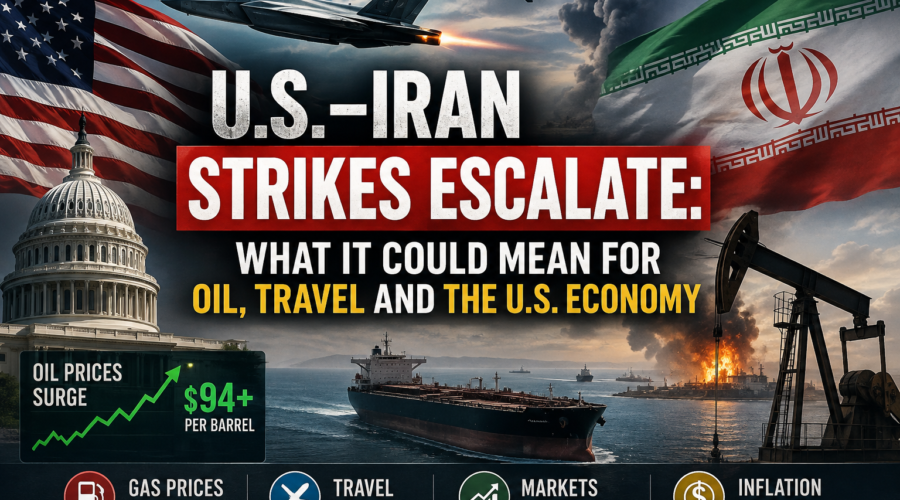
According to Reuters, Brent crude futures rose to about $95.52 per barrel, while U.S. West Texas Intermediate crude reached about $91.02 per barrel in early trading on September 2. The move followed gains of more than $4 a barrel the previous day.
The increase reflects concerns that continued fighting could disrupt oil supplies or shipping through the Strait of Hormuz.
For American consumers, the key question is whether higher crude prices remain temporary or continue for weeks.
If oil prices remain elevated, gasoline prices could face additional upward pressure. However, the effect on gas stations is not always immediate because retail fuel prices also depend on refining costs, inventories, transportation and regional market conditions.
Could Gas Prices Rise in the U.S.?
They could.
Crude oil is a major component of the cost of gasoline, so a sustained increase in international oil prices can eventually affect U.S. fuel prices.
But Americans should not assume that every jump in crude oil will immediately produce the same percentage increase at the pump.
The impact depends on how long oil prices remain elevated and whether supply disruptions actually develop.
The biggest risk would be a prolonged disruption to shipping through the Strait of Hormuz.
For drivers, that means the next several days could be particularly important.
What Does This Mean for American Travelers?
The conflict could also create uncertainty for international travelers.
Airlines closely monitor fuel prices because jet fuel represents a significant operating cost. If energy prices remain high, airlines may face increased expenses.
The conflict could also affect flight routes and operations in or around the Middle East.
Travelers heading to the region should therefore monitor airline notifications and official travel advisories rather than relying on social-media reports.
For Americans traveling internationally, the most important issue right now is not simply whether flights are operating today, but whether the security situation changes the routes airlines use over the coming days.
Could the Conflict Affect the Stock Market?
Yes.
Financial markets typically react to geopolitical uncertainty, especially when a conflict threatens energy supplies.
Higher oil prices can create concerns about inflation and corporate costs. At the same time, investors may move toward assets considered safer during periods of geopolitical stress.
Reuters reported that the latest Middle East escalation pushed oil prices higher and contributed to renewed inflation concerns in financial markets.
The ultimate market impact will depend heavily on whether the conflict expands or begins moving toward de-escalation.
What About Inflation?
This is one of the most important economic questions for Americans.
Higher energy prices can feed into inflation because fuel affects transportation, manufacturing, logistics and other parts of the economy.
If oil prices stay high for an extended period, businesses may face higher costs. Some of those costs can eventually be passed on to consumers.
The Federal Reserve therefore has another factor to consider when assessing the inflation outlook.
Reuters reported that rising oil prices and renewed inflation concerns have increased market expectations around U.S. interest-rate policy.
That does not mean the Federal Reserve has already decided what it will do. The Fed will continue to evaluate inflation, employment and other economic data.
Could the Fed Change Its September Decision?
The latest developments add another complication to the Federal Reserve’s September policy decision.
Higher energy prices can increase inflation pressure, while weaker economic activity can push policymakers in the opposite direction.
Reuters reported that markets were assigning a higher probability to a September rate hike as oil prices rose and inflation concerns returned.
However, market expectations are not the same thing as an official Federal Reserve decision.
Investors will continue watching upcoming inflation and employment data closely.
What Should Americans Watch Next?
There are several important developments to monitor.
1. Oil Prices
The first major signal will be whether Brent and WTI crude remain elevated.
A short-term spike would be less concerning than a prolonged period of high prices.
2. Strait of Hormuz Shipping
Any major disruption to commercial shipping could have a much larger impact on global energy markets.
The Strait of Hormuz is therefore likely to remain at the center of the story.
3. Iranian Retaliation
The scale and location of any additional Iranian response could determine whether the conflict expands further.
4. U.S. Military Response
Washington’s next decisions will be closely watched by markets and governments around the world.
5. Diplomatic Efforts
Any credible movement toward negotiations or de-escalation could quickly change market expectations.
What Does This Mean for the U.S. Economy?
The immediate economic effect is uncertainty.
Higher energy prices can hurt consumers by increasing transportation and household costs. Businesses can also face higher expenses.
At the same time, the U.S. economy is large and has multiple sources of energy and production, meaning the eventual impact will depend on how long the disruption lasts.
A short-lived geopolitical shock would likely have a very different economic effect from a prolonged disruption to global oil supplies.
That distinction is critical.
What Americans Should Know Right Now
The latest U.S.–Iran escalation does not automatically mean that Americans will see an immediate major change in their daily lives.
The biggest potential effects are likely to come through energy prices, financial markets and inflation if the conflict remains intense.
Americans should avoid making financial decisions based solely on breaking-news headlines.
Instead, watch the major indicators:
- Oil prices
- Gasoline prices
- Stock-market volatility
- Inflation data
- Federal Reserve communications
- Airline and travel advisories
- Developments around the Strait of Hormuz
The Bottom Line
The U.S.–Iran conflict has entered another dangerous phase following new American strikes and Iranian retaliation.
The biggest concern for the U.S. economy is the potential impact on oil supplies and the Strait of Hormuz.
Oil prices have already moved sharply higher following the latest escalation, and continued disruption could put additional pressure on gasoline prices, inflation and financial markets.
But the ultimate impact on Americans will depend on what happens next.
If the conflict expands and shipping disruptions continue, the economic consequences could become more significant.
If tensions ease, some of the current risk premium in energy and financial markets could also fade.
For now, the situation remains fluid, and BeWebStuff will continue tracking the latest developments.
Frequently Asked Questions
Is the U.S. currently attacking Iran?
The U.S. military has launched new strikes against Iranian targets as part of the latest escalation in the conflict.
Why is the Strait of Hormuz important?
The Strait of Hormuz is a critical global energy shipping route. Disruptions there can affect international oil supplies and prices.
Will gas prices rise because of the U.S.–Iran conflict?
Gas prices could rise if higher crude oil prices persist, but the timing and size of any increase will depend on global supply, refining and market conditions.
Will the conflict affect the U.S. stock market?
It could. Geopolitical uncertainty and higher energy prices can increase market volatility.
Could the conflict increase inflation?
Yes. Sustained increases in energy prices can add inflationary pressure through fuel, transportation and business costs.
Is the U.S.–Iran conflict getting worse?
The latest strikes and retaliatory attacks represent a significant escalation, but the situation remains fluid and could change depending on military and diplomatic developments.
What should Americans watch next?
The most important indicators are oil prices, Strait of Hormuz shipping, Iranian retaliation, U.S. military actions, financial markets and diplomatic developments.