
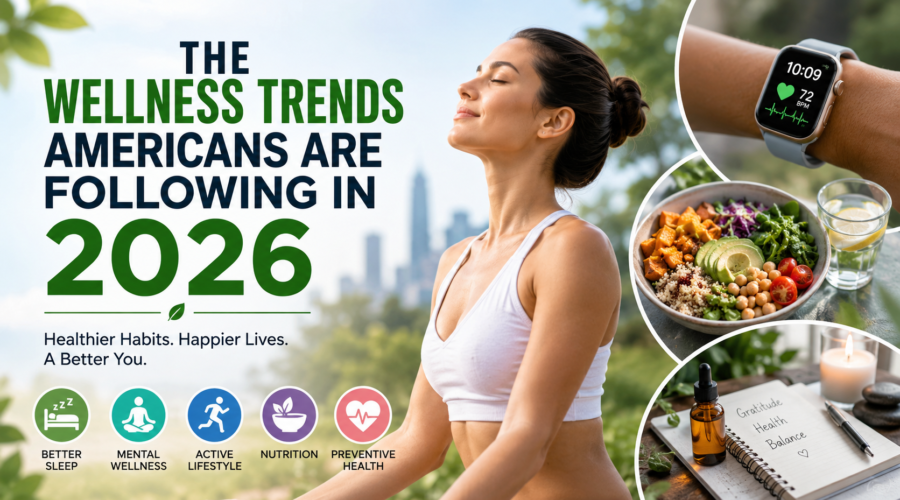
Wellness in America is changing in 2026. Instead of focusing only on traditional fitness and dieting, more consumers are taking a broader approach that includes sleep, stress management, mental health, preventive care, personalized health data and everyday lifestyle habits.
Recent consumer research shows that health is increasingly becoming part of daily decision-making. People are tracking their habits, using apps and wearable devices, looking for personalized recommendations and paying closer attention to how sleep, food, stress and physical activity affect their overall well-being.
Here are some of the biggest wellness trends Americans are following in 2026.
1. Better Sleep Is Becoming a Major Wellness Goal
Sleep has moved far beyond simply getting enough hours at night. In 2026, Americans are increasingly interested in understanding and improving their sleep quality.
According to PwC’s 2026 consumer research, 40% of consumers surveyed globally said improving sleep was one of their top health goals, while only 56% rated their current sleep as good or excellent.
That gap is helping fuel interest in:
- Sleep tracking
- Consistent bedtime routines
- Sleep-focused apps
- Wearable devices
- Relaxation techniques
- Better bedroom environments
- Stress reduction before bedtime
The bigger trend is simple: sleep is increasingly being treated as a core part of wellness rather than an afterthought.
2. Wearables Are Turning Health Into a Daily Habit
Smartwatches, fitness trackers and smart rings are becoming an important part of the modern wellness routine.
People can now monitor information such as steps, heart rate, activity and sleep through consumer devices. PwC reports that 80% of consumers in its 2026 global survey use an app or wearable for at least one health or wellness activity.
The wearable market is also evolving. Recent reporting around Oura’s U.S. IPO filing highlighted growing consumer interest in tracking sleep, steps and heart rate, while the broader market includes products from companies such as Apple, Fitbit, Garmin and Whoop.
But there’s an important lesson for consumers: more data doesn’t automatically mean better health.
Wearables can help people notice patterns, but their measurements shouldn’t be treated as a medical diagnosis. When a health concern persists, professional medical advice remains important.
3. Mental Wellness Is Getting Equal Attention
Another major shift in 2026 is the growing importance of mental and emotional wellness.
Americans are increasingly viewing mental health as part of their overall health rather than something separate from physical well-being. Pew Research Center found that Americans are nearly as likely to say they are putting substantial effort into taking care of their mental health as their physical health.
This has helped popularize everyday wellness practices such as:
- Taking breaks from digital devices
- Spending time outdoors
- Mindfulness
- Journaling
- Social connection
- Therapy and counseling
- Relaxation routines
- Setting healthier work-life boundaries
The focus is gradually moving from simply “being productive” toward creating routines that support sustainable well-being.
4. Stress Management Is Becoming a Daily Priority
Stress continues to be one of the biggest obstacles to maintaining a healthy lifestyle.
Pew Research Center found that about one-third of U.S. adults surveyed considered managing stress a major challenge when taking care of their health. Time and motivation were also significant barriers.
As a result, Americans are looking for wellness habits that fit into busy schedules rather than requiring major lifestyle changes.
That includes:
- Short walks
- Breathing exercises
- Meditation
- Exercise breaks
- Better sleep routines
- Time away from screens
- Spending time with friends and family
The trend suggests that wellness doesn’t always have to mean an expensive gym membership or complicated routine. Small, repeatable habits can be easier to maintain.
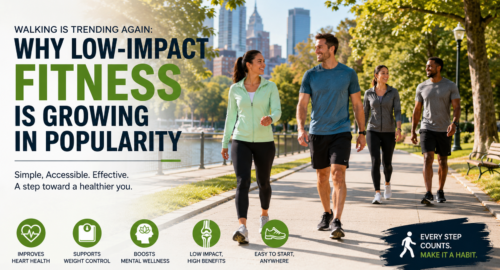
5. Walking Is Staying Strong as a Simple Fitness Trend
Walking continues to fit perfectly into the growing preference for accessible and sustainable fitness.
Unlike highly specialized workouts, walking requires little equipment and can be incorporated into everyday life.
Many people are combining walking with wearable tracking, podcasts, social activities or outdoor time. This creates a wellness routine that supports movement while also providing opportunities to disconnect from screens and spend time outside.
The broader fitness market is also shifting toward activities that combine physical health with long-term sustainability rather than short-term intensity.
6. Personalized Wellness Is Growing
One of the biggest changes in the wellness industry is personalization.
Consumers increasingly want products and services that fit their individual goals instead of generic recommendations. NIQ’s 2026 health and wellness research describes today’s consumers as increasingly self-directed and focused on functionality, transparency and personal fit.
This trend can be seen in:
- Personalized fitness programs
- Nutrition tracking
- Health apps
- Wearable recommendations
- Individual sleep goals
- Customized coaching
- At-home testing and monitoring
Artificial intelligence is also becoming part of this ecosystem, helping consumers organize and interpret large amounts of personal information.
However, personalized technology should complement—not replace—qualified healthcare professionals.
7. Preventive Health Is Becoming More Important
Americans are also showing greater interest in preventing health problems rather than waiting until something goes wrong.
Pew Research Center found that preventing future health issues is one of the major motivations Americans cite for taking care of their health.
That mindset is encouraging interest in:
- Regular checkups
- Health screenings
- Exercise
- Healthy eating
- Sleep improvement
- Stress management
- Monitoring personal health information
This is one of the most meaningful wellness trends because prevention can involve everyday behaviors rather than relying solely on products.
8. Wellness Is Moving Beyond Diet and Exercise
In 2026, the definition of wellness is becoming much broader.
Health consumers are thinking about multiple areas at the same time—including food, sleep, stress, weight, appearance, performance and longevity. PwC’s research describes health as becoming more continuous and increasingly integrated into everyday routines.
This means someone might think about wellness while:
- Choosing breakfast
- Planning a workout
- Checking sleep data
- Taking a walk
- Managing stress
- Preparing for bedtime
- Scheduling preventive care
Wellness is increasingly becoming a lifestyle rather than a temporary goal.
9. Social Connection Is Part of Wellness
Wellness isn’t only about individual optimization.
Social connection and community are also becoming important parts of the modern wellness conversation. A recent example is the rise of “wellness raves” and sober dance events, which combine movement, music and social connection without traditional nightlife drinking culture.
The idea reflects a broader shift toward wellness experiences that are enjoyable rather than restrictive.
For many people, spending time with friends, joining a fitness class or participating in community activities can make healthy habits easier to maintain.
10. Longevity Is Becoming a Bigger Conversation
Another major wellness trend in 2026 is the growing interest in healthspan—not simply living longer, but staying healthy and active for more years.
Technology companies and wellness businesses are increasingly combining wearable data, personalized recommendations, diagnostics and preventive-health services around longevity.
This trend has attracted attention from consumers interested in:
- Healthy aging
- Strength training
- Sleep
- Nutrition
- Preventive health
- Biomarker tracking
- Fitness recovery
But experts and consumers alike should distinguish between evidence-based health practices and products making claims that have not been adequately supported by research.
What Is Driving America’s Wellness Shift?
Several factors are behind the changing wellness landscape.
Technology
Smartphones, wearable devices and health apps make it easier for people to monitor daily habits.
Consumer Awareness
Consumers increasingly want clear information about ingredients, health claims and product benefits. NIQ says health and wellness purchasing is becoming more outcome-focused and driven by consumers themselves.
Mental Health Awareness
Mental and emotional health are increasingly viewed as essential components of overall wellness.
Preventive Mindset
People are showing greater interest in avoiding future health problems rather than focusing only on treatment.
Convenience
Americans are looking for wellness habits that can realistically fit into busy schedules.
The Biggest Wellness Lesson for 2026
Perhaps the biggest trend isn’t a particular product, workout or app.
It’s the movement toward everyday wellness.
Instead of thinking about health as a short-term challenge, consumers are increasingly incorporating small health-related decisions into their normal routines.
Better sleep. More movement. Stress management. Healthier food choices. Social connection. Preventive care. Personal health tracking.
These simple behaviors can become more sustainable when they are realistic and consistent.
At the same time, consumers should be careful about wellness marketing. Not every trending supplement, device, test or online health claim has strong scientific evidence behind it.
The smartest approach is to use technology and wellness trends as tools—not substitutes for evidence-based healthcare.
Final Thoughts
The wellness trends Americans are following in 2026 show a clear shift toward a more personalized and holistic definition of health.
Sleep, mental wellness, stress management, walking, wearable technology, preventive care and longevity are all becoming important parts of the conversation.
The biggest change may be that wellness is no longer limited to the gym or the kitchen. It is increasingly connected to how people sleep, work, relax, socialize and manage their everyday lives.
For Americans looking to improve their health, the most useful trend may also be the simplest: build sustainable habits that can actually become part of everyday life.
Frequently Asked Questions
What are the biggest wellness trends in 2026?
Major wellness trends in 2026 include better sleep, wearable health tracking, mental wellness, stress management, walking, personalized health, preventive care and longevity.
Why is sleep such a major wellness trend in 2026?
Consumers are paying more attention to sleep quality and recovery. Research shows improving sleep is a significant health goal, creating growing interest in sleep tracking and healthier bedtime routines.
Are wearable health trackers becoming more popular?
Yes. PwC’s 2026 research found that 80% of surveyed consumers use an app or wearable for at least one health or wellness activity.
Is mental wellness part of physical wellness?
Increasingly, Americans view mental and physical health as connected. Pew Research Center reports that Americans are putting substantial effort into both areas.
What is personalized wellness?
Personalized wellness uses individual information, goals and preferences to create more tailored health, fitness or lifestyle recommendations.
Is every wellness trend scientifically proven?
No. Popularity does not equal scientific evidence. Consumers should evaluate health claims carefully and consult qualified healthcare professionals for medical concerns.
What is the simplest wellness habit to start in 2026?
For many people, practical habits such as regular movement, adequate sleep, stress management and balanced nutrition are more sustainable than complicated wellness routines.
Medical disclaimer: This article is for general informational purposes only and is not medical advice. Wellness trends and consumer behaviors can change, and individual health needs vary. Speak with a qualified healthcare professional before making significant changes to your health routine.